

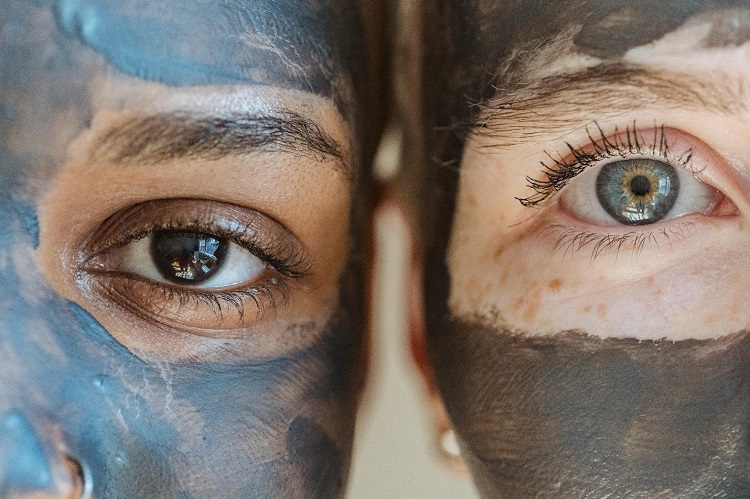
Beauty trends change with time. New skincare products and routines usurp the old ones to appeal to more people. However, even amid this constantly changing landscape of beauty products and fads, one trend has maintained its position. Still included in the regular skincare routines of many beauty enthusiasts, we are talking about clay masks.
But how do clay masks even work? Are they worth all the hype they are given? And are they suitable for every type of skin?
If you, too, are curious about clay masks and their benefits, then your search ends here.
Table of Contents
Understanding Clay Masks
As the name suggests, clay masks are skincare products with clay as the base ingredient. Often found as dry powders or pre-mixed pastes, different clays address different skin concerns. While the exact ingredient composition can change depending on the base clay used, most of them are generally rich in minerals that are very beneficial to the skin.
Although there are many different types of clays, some of the most commonly found clay masks include:
- Kaolin Clay: Also known as white clay, kaolin clay is a very gentle and soft kind of clay that is great at cleansing and purifying your skin with its absorbing properties. This also makes it suitable for those with dry and sensitive skin, as it does not dry out your skin quickly.
- Bentonite Clay: Much like kaolin clay, bentonite clay is also highly absorbent. Derived from volcanic ashes, bentonite clay is excellent if you have oily skin that is prone to acne. The clay quickly sucks out toxins and excess sebum, giving you soft and supple skin.
- French Green Clay: Another clay that is great for oily and combination skin is French green clay. Rich in minerals, it has impressive detoxifying properties, which makes it great at removing impurities from your skin and giving it a deep clean.
- Fuller’s Earth: Fuller’s Earth, or multani mitti, is another great clay that is recommended for people with oily skin. The clay controls excess oil on the skin, unclogging pores and reducing blemishes in the process. After application, it also significantly reduces shine and mattifies the skin.
5 Benefits of Using Clay Masks
Although you would need to choose your preferred clay mask based on your skin type, some benefits are common in all kinds of clay face masks.
Skin Brightening
Often your skin looks dull due to clogged pores that do not allow your skin cells to breathe. In such cases, a clay mask session can help unclog your pores to reveal the natural shine of your skin effortlessly, unclogging your pores and freshening your skin up in the process.
Hydration
While most of us know clay masks to be a great regulator of oil content, they are also fantastic for providing hydration to dry skin. Although this does not apply to all face masks, you can look for pre-mixed clay mask pastes containing hydrating ingredients, such as glycerine and sodium hyaluronate, if you want this benefit.
Restores Skin Balance
Ever felt like your skin felt too oily and dry all at once? Depending on weather conditions and the products you use, it is easy for some parts of your skin to become too oily while the other parts are dry, much like combination skin. In such cases, a clay mask can help restore balance to your skin by removing excess oil while providing hydration to the dry areas.
Antimicrobial Beauty Product
Clay masks also benefit your skin by regulating the bacterial cells on your skin. While the clay itself may not contain antimicrobial properties, once the clay on your skin dries and you wash it away, it also takes away any bacteria or bacterial cells that get stuck to it while drying. This way, your skin stays clear of bacterial cells, mainly if you regularly use clay masks in your skincare routine.
Oxygenates Skin Cells
Clay masks are also great at oxygenating the live skin cells deep within, albeit indirectly. The most significant and beneficial task these masks do is unclog any blocked pores on your skin. But what this means is that since your pores are unclogged, the living skin cells deep inside come in contact with oxygen, which helps them survive and improves circulation. This also helps in cell rejuvenation while aiding your skin tissue to become healthier.
Methods of Mixing and Using Clay Masks
There are many ways of concocting your own clay mask paste. While you can choose from the different clay options, you can also choose from many other liquids to create the mask paste.
- Choosing the Ingredients: Depending on the effect and benefits you want, you can start by selecting the clay. Then, choose which liquid you would prefer to make the mixture with. The most commonly used liquids include water, apple cider vinegar, rosewater, and milk. You can even enhance their benefits by adding more ingredients known to be beneficial for the skin, such as honey, aloe vera gel, and even essential oils.
- Mixing the Paste: Add the liquid/s to the powder gradually till the mixture reaches your preferred consistency. It is preferable to use a non-metal spoon or brush to complete this process.
- Application: Start with a clean canvas by washing your face. Pat your skin dry, then apply the mixture in an even layer. Once it dries – after approximately 10-15 minutes, wash it off and moisturise it with your daily moisturiser to complete your mask treatment.
Wrapping it Up
Clay masks can be one of the most beneficial skincare routines to have in your kit. With the multifaceted benefits that go beyond the skin’s surface and penetrate deep within, it is worth experimenting and figuring out which clay mask suits your skin and your needs the best.
However, make sure that your skin has a foolproof routine both before and after your clay mask treatment. You can check out tira’s complete list of skincare products, from face washes, clay masks, sheet masks, moisturisers, serums, sunscreens etc., and build your perfect skincare regimen today.
